Legal Rights FAQ
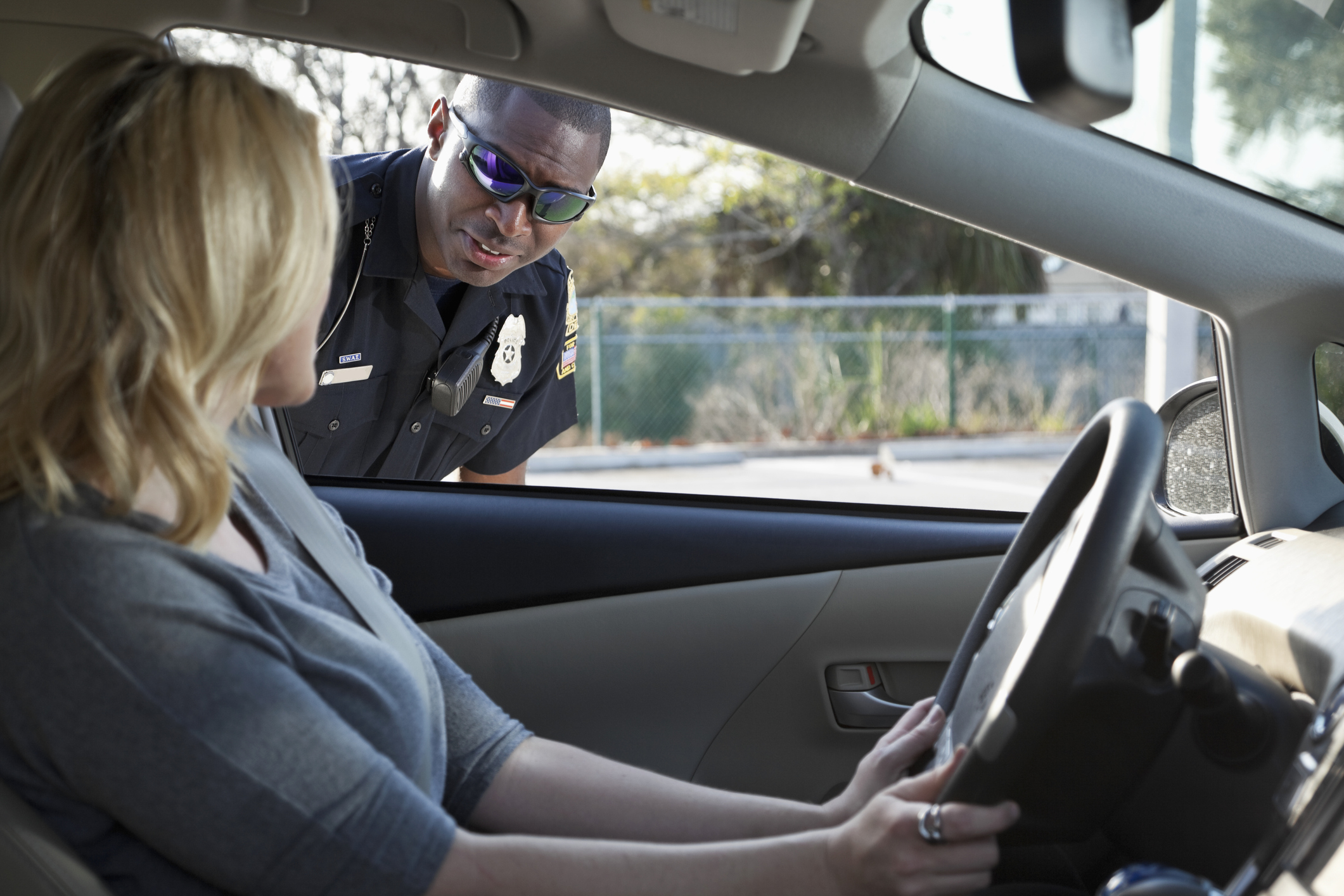
What are my rights during a traffic stop in Virginia?
During a traffic stop, you should: Remain calm and comply with the officer’s instructions. Roll down your window and keep your hands visible, ideally on the steering wheel. You are required to provide your driver's license, vehicle registration, and proof of insurance upon request. You have the right to remain silent beyond providing the required documents, though you should comply with lawful requests and refrain from sudden movements.Virginia Code 46.2-104
Can police search my car without my consent in Virginia?
In Virginia, police generally need your consent, a warrant, or probable cause to search your vehicle. However, under certain circumstances, such as when you're arrested, police may search the vehicle without your consent. If the officer has probable cause to believe there is evidence of a crime in your car, they can search it without a warrant. Virginia Code 19.2-59

What are my Miranda rights in Virginia?
In Virginia, if you are in police custody and are about to be interrogated, officers are required to read you your Miranda rights, which include: The right to remain silent. The right to an attorney. The warning that anything you say can be used against you in court. Failure to provide these rights may result in the suppression of your statements in court. Miranda rights apply under custodial interrogation as established by Miranda v. Arizona. For Miranda rights in Virginia, there isn't a specific Virginia code section, as it's a federal constitutional right based on the U.S. Supreme Court case Miranda v. Arizona (1966).

Can I refuse a police officer's request to search my belongings?
Yes, in Virginia, you have the right to refuse an officer’s request to search your belongings, unless the officer has a warrant or probable cause. However, if an officer insists on conducting a search without your consent, do not physically resist; instead, clearly state that you do not consent to the search. If the officer has probable cause or other legal grounds such as arrest or exigent circumstances, they may conduct a search without your consent. Fourth Amendment Virginia Code 19.2-59.

What are my rights if I am being arrested?
If you are being arrested in Virginia, you have the following rights: The right to remain silent. The right to an attorney, which you should invoke as soon as possible. You should not resist arrest, but you can remain silent and avoid answering questions until you have legal representation. You will be informed of the charges against you, and you are protected against unreasonable search and seizure. Miranda V. Arizona 1966 Virginia Code 19.2-82
What should I do if I am detained but not arrested?
In Virginia, if you are detained but not arrested, you can ask the officer if you are free to leave. If they say you are not, you are legally detained but have the right to remain silent and not answer questions beyond basic identifying information. If you are not being arrested, and the officer does not have probable cause, you may be free to leave. It’s important to remain calm and not resist or flee the scene. Terry V. Ohio 1968 Virginia Code 19.2-83.2.

What should I do if I witness a crime?
If you witness a crime, you should: Call 911 immediately and provide as many details as possible. Stay at a safe distance and avoid intervening unless it is safe and necessary to protect others. Be prepared to give a statement to law enforcement but understand that you have the right to remain silent if questioned about your own involvement. Virginia Code 19.2-11.01.
